
Passive Programming For Your School Library

Students won’t use a space by choice unless they have a reason to be there. And for some students, an abundance of free books isn’t enough of a reason to be in the school library.
So we bribe them! Just kidding… kind of.
Passive programming adds fun to your school library for readers and non-readers alike. It provides opportunities for students to connect, to calm down, to create, or a combination of all three. Passive programming is a win-win because it requires little work on your part once things are up and running. Here are the passive programs I’m bringing back this year, starting anew, or just wanting to share:
Would You Rather Jar/ Question of the Week - I’m very excited to start this in my library. This article from the Don’t Shush Me school library blog has enough questions for every week of the year and then some. Students can also suggest questions. Here’s my super easy setup: One sign holder with the question and 3 mason jars, two with slits cut in the lid, one with no lid. The jar with no lid will be filled with buttons at the beginning of the week, and students can cast their vote with a button in the other two jars. On Thursday afternoon, I’ll count the votes and write up the results to be shared in Friday’s morning announcements.
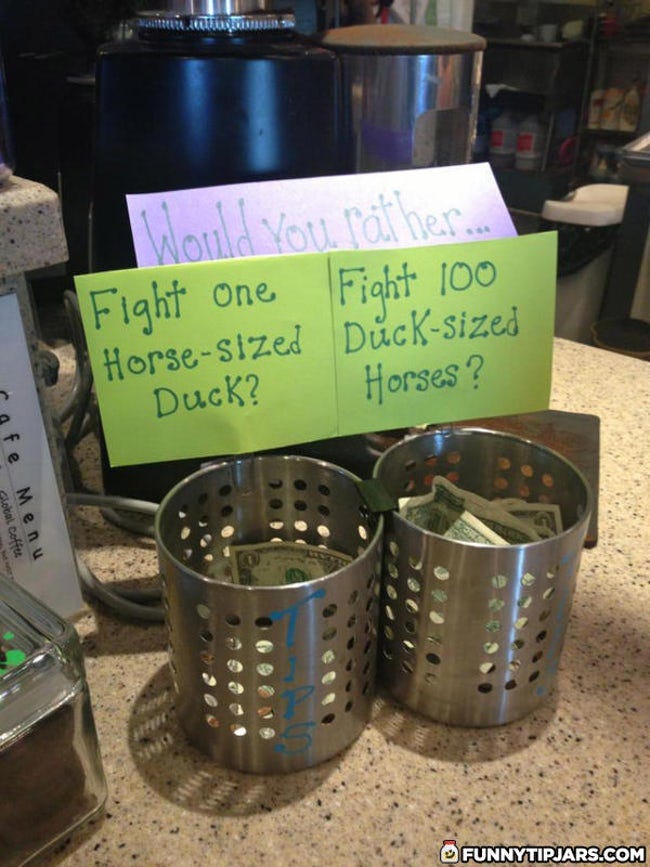
Daily Puzzle - My 7th grade boys race from the bus line to the library every morning to work on this. There’s a solution for every day. I keep a small whiteboard close by so students can record their names if they solve the puzzle.
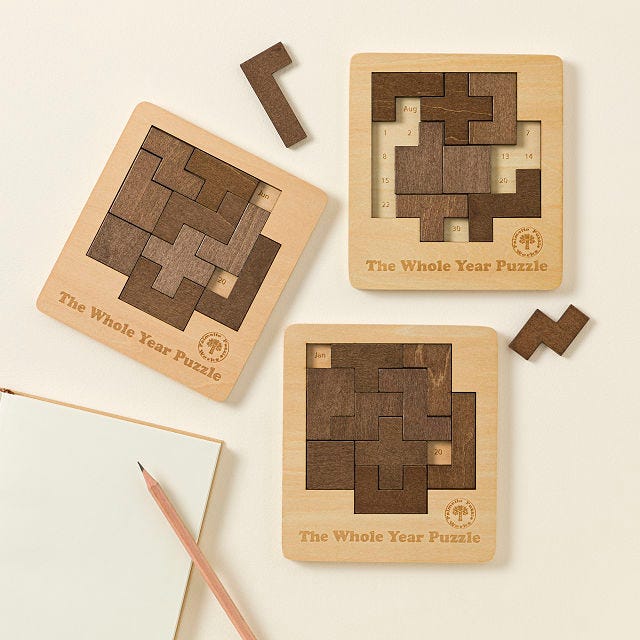
Puzzle table - You don’t have to spend any money for this one. I sent out an email to staff asking for old puzzle donations and now have a closet full. Only downside is that our library is used for staff meetings and testing, so I will occasionally need to move or dismantle a puzzle. I want to invest in a puzzle mat for this year ($10 at Walmart) so I can save student progress.
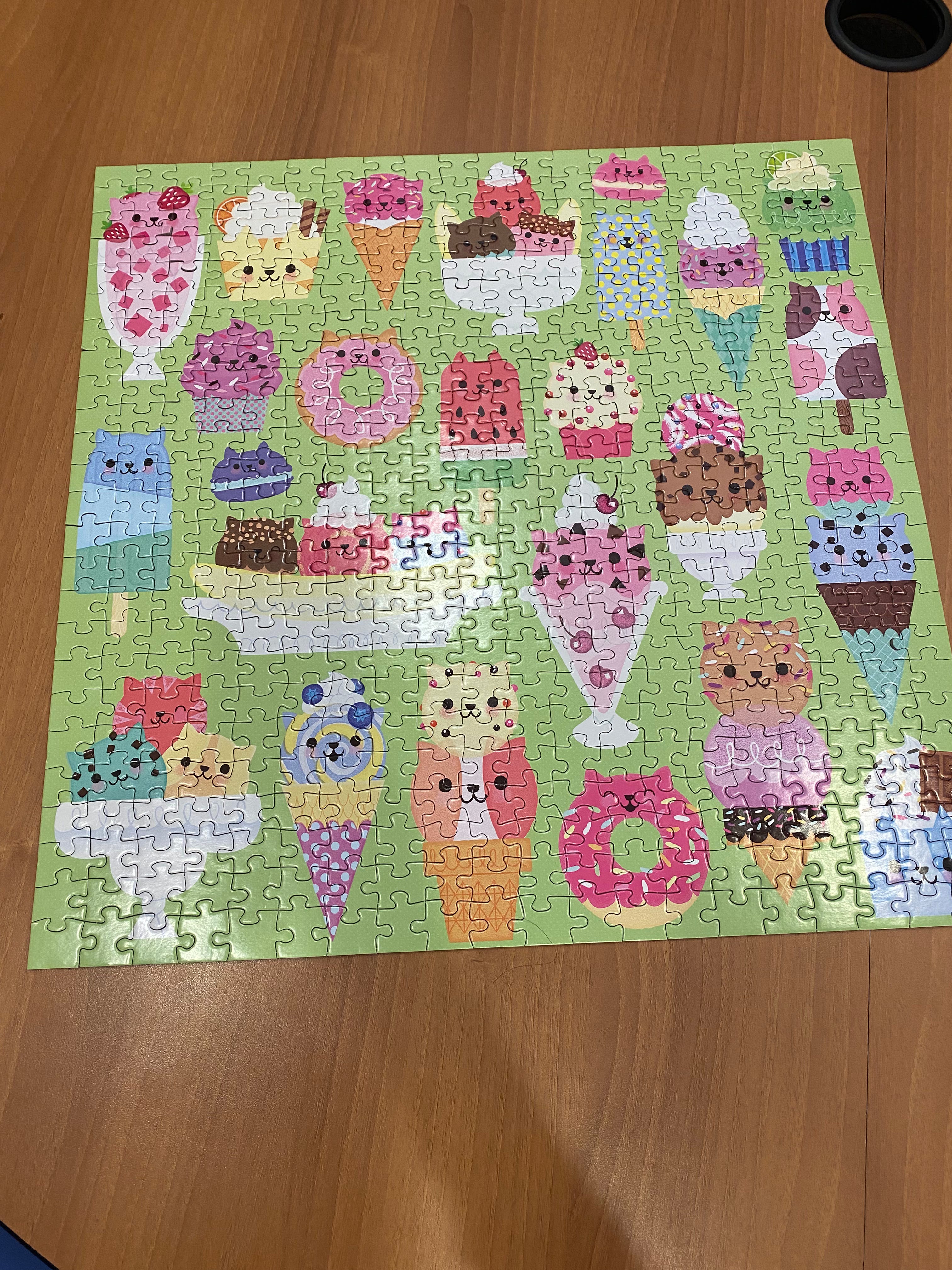
Coloring - Themed coloring sheets, mandalas, bookmarks, even giant murals! These table murals were a hit last year because students could stop by the library for a few minutes to color a flower or small shape, then head back to class a little more relaxed.
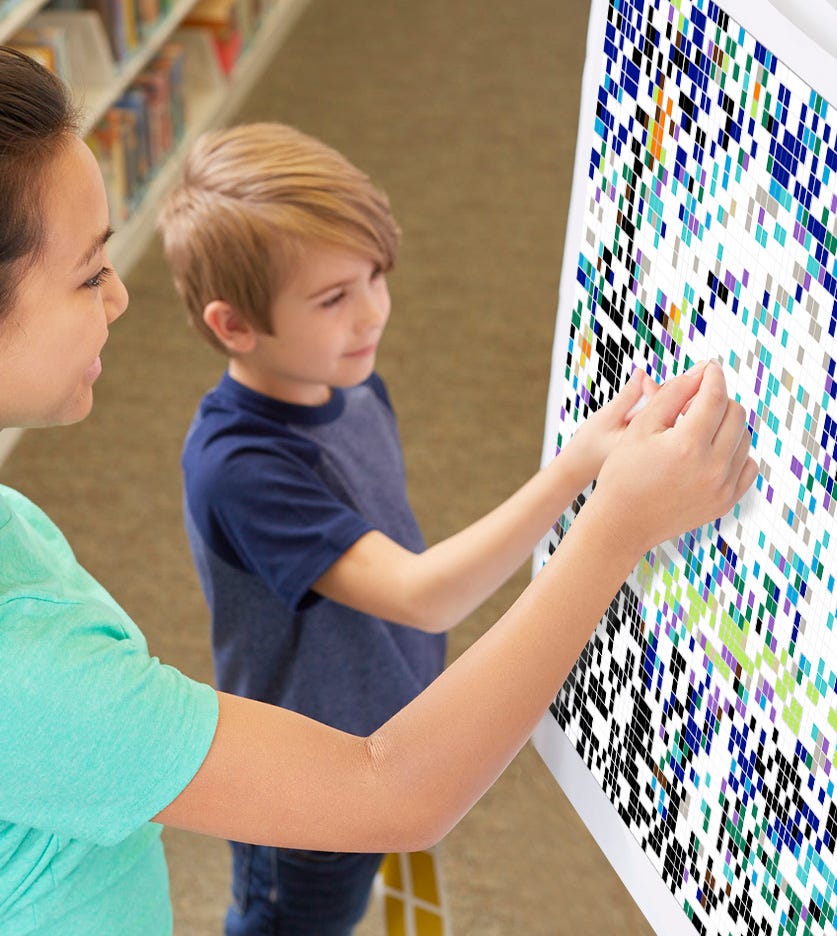
Sticker mural - Think paint-by-number put with stickers. At the public library where I work part time, we give patrons a sticker to add to the mural every time they show us their summer reading log. This could be a great incentive for returning books on time, rating and reviewing books, checking out books, or other reading goals. Some murals are up to 4,000 stickers, so consider giving students a small block of stickers if you need to move through them more quickly. Check out Demco’s collection here.
Guessing jar - A great way to incorporate display or seasonal themes into your library! Ask staff or student volunteers to make the jars to promote engagement and increase word-of-mouth traffic.
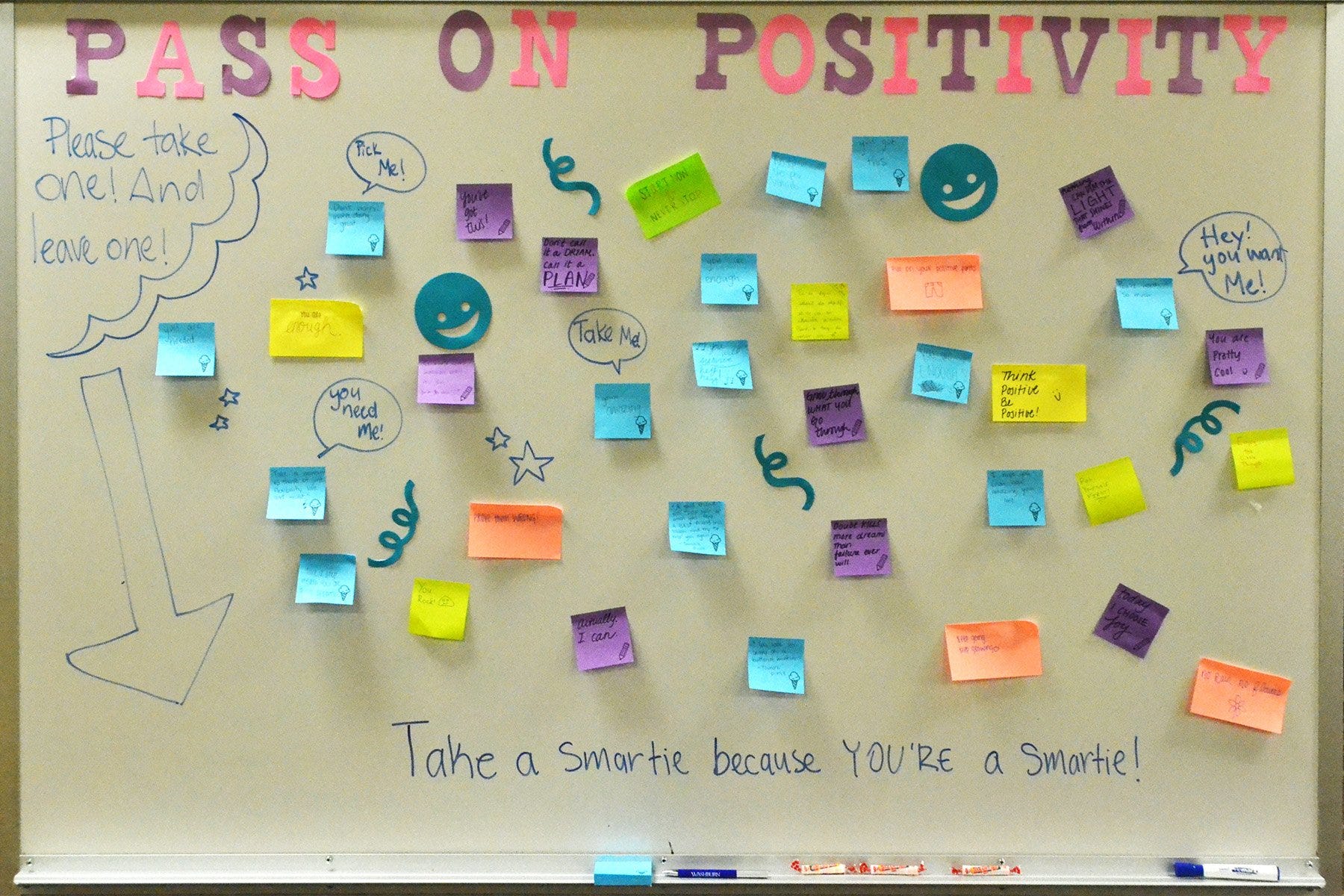
Take a note, leave a note - Use a whiteboard or empty wall space to spread positivity. All you need are sticky notes and markers. Check the board every so often to make sure students are using the activity as intended.
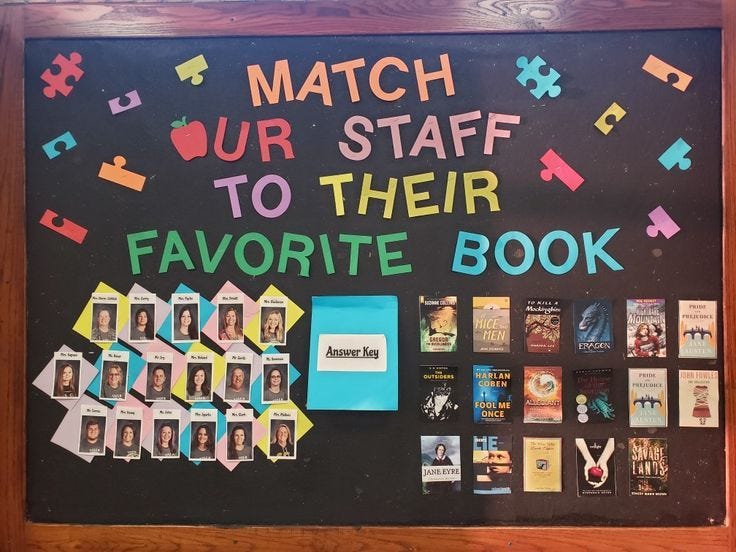
Matching games - If you have a bulletin board, this is a creative way to gamify your space. Ask students to match teachers to their favorite books, authors to quotes, actors to the book characters they play, and more. Offer candy, bookmarks, or water bottle stickers as fun prizes.
Bookmark design - A variation on the coloring station. Leave out additional craft supplies like tissue paper, glue, stickers, watercolor palettes, and yarn so students can customize their bookmarks.
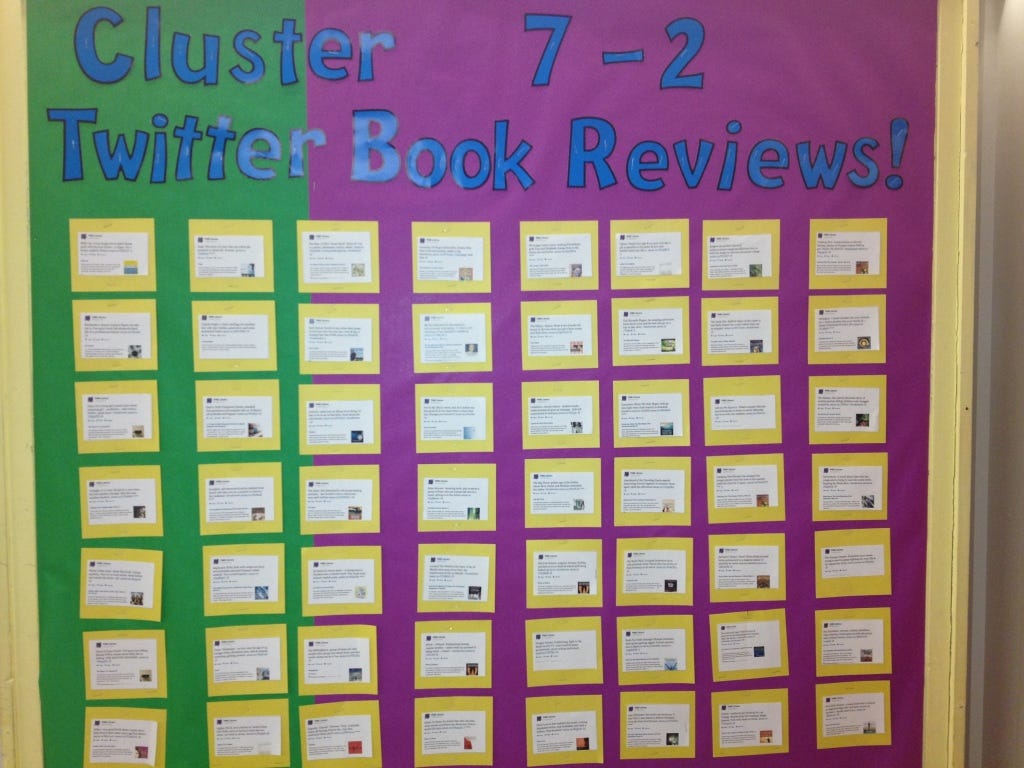
Wall of book reviews - Give students a sense of ownership over the space, learn what students are reading, and improve your book recommendation game. Plus, students are decorating your library for free. Students can write a traditional review, use a Goodreads or Tweet-style format, or describe the book using emojis.
Card and board games - Another opportunity to solicit donations. Choose games with few pieces and that can be played in a single class period (think study hall).
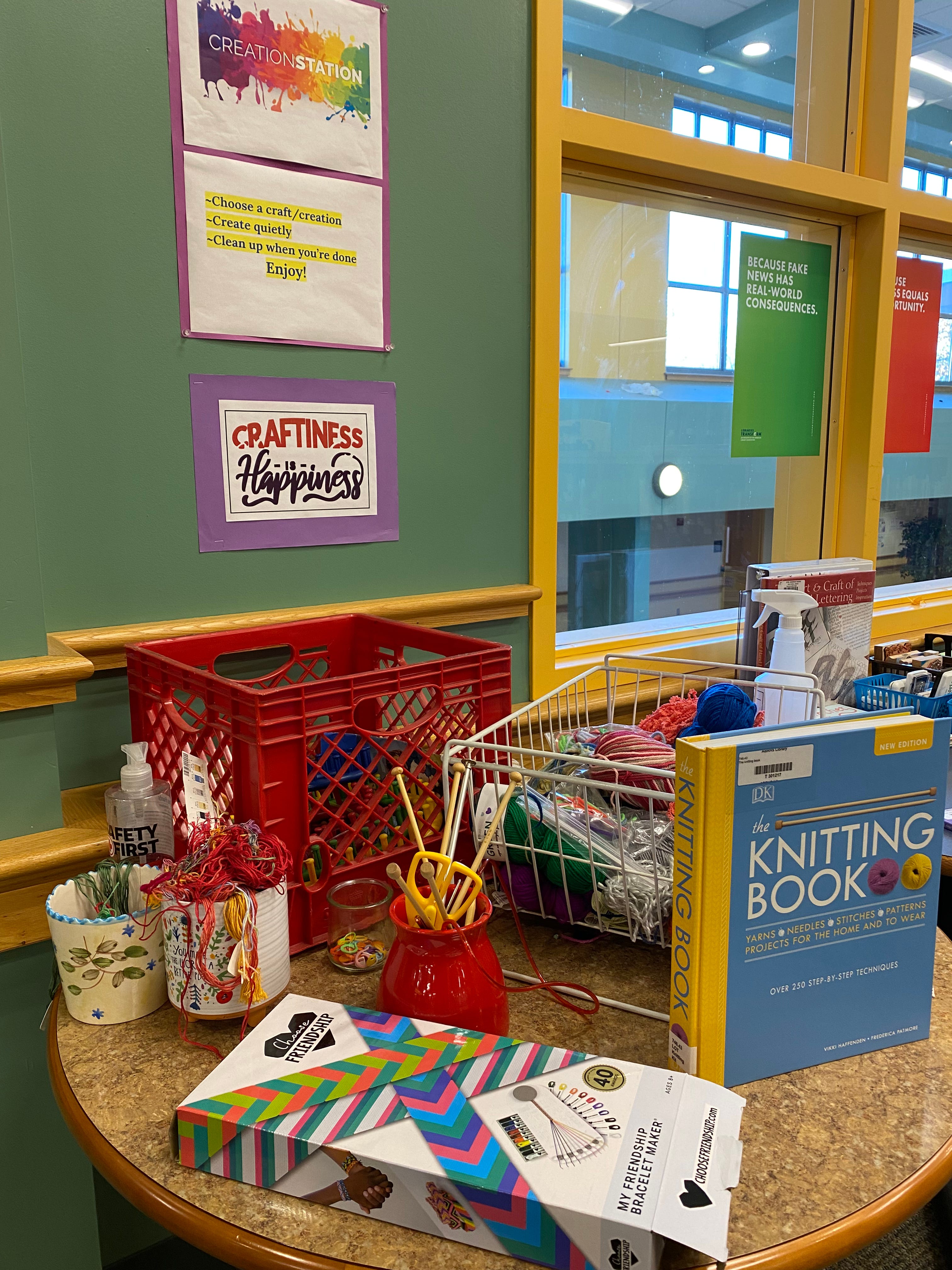
Craft corner - Leave out supplies or build up a library of things with craft kits! Post QR codes to tutorials so students can learn a new skill. Student volunteers can monitor supply levels and suggest new crafts.
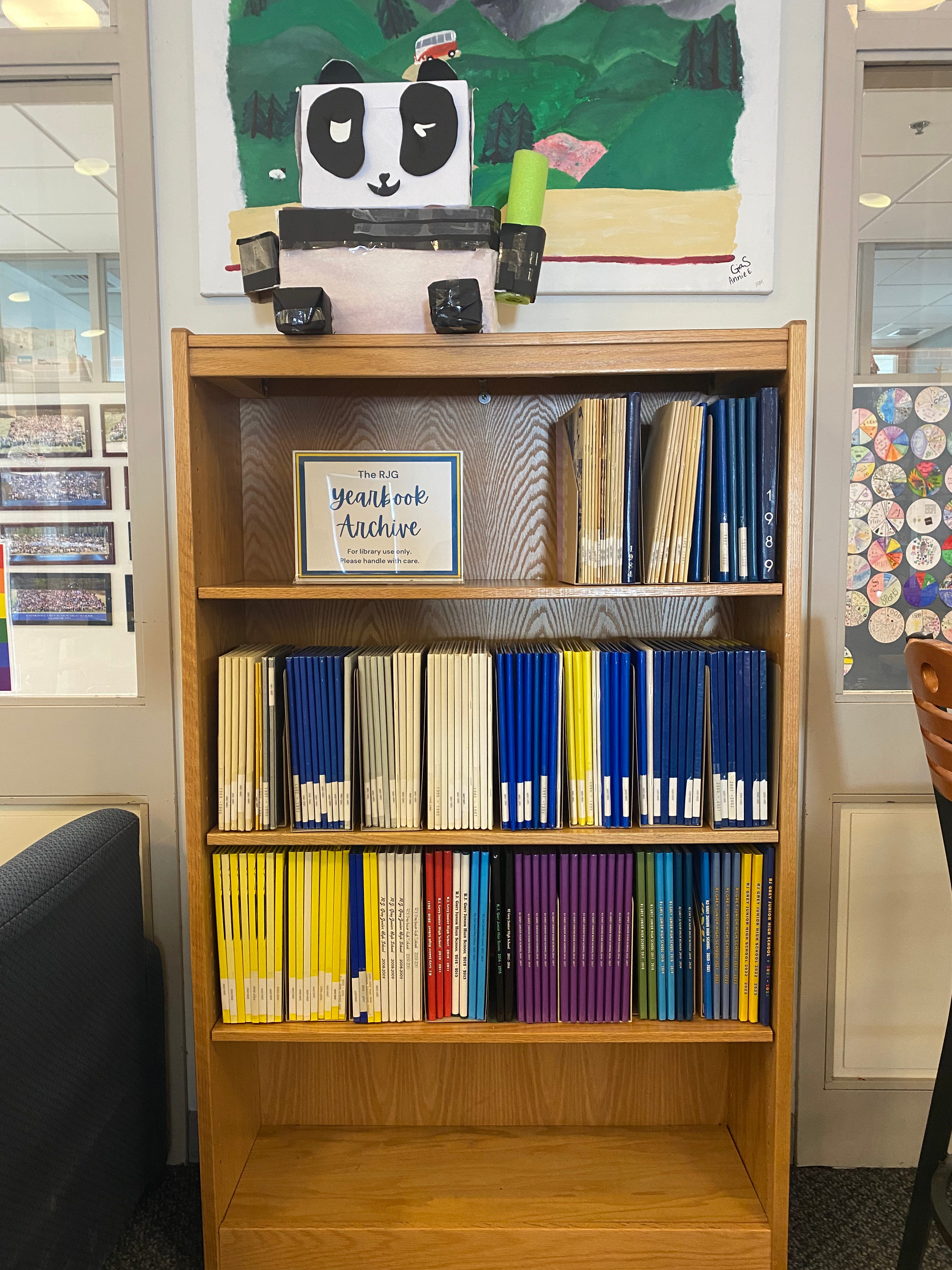
Yearbook archive - This was a HUGE hit at my junior high, especially since many staff are also former students. While yearbooks may not be a “program” in the traditional sense, students love stopping by the library to look up former teachers, friends, even parents!
Book suggestion box - If students aren’t seeing what they want to read in the library, here’s their chance to make a difference. Place at the circ desk or even in the stacks so students can compare their wishes to what’s on the shelves.
